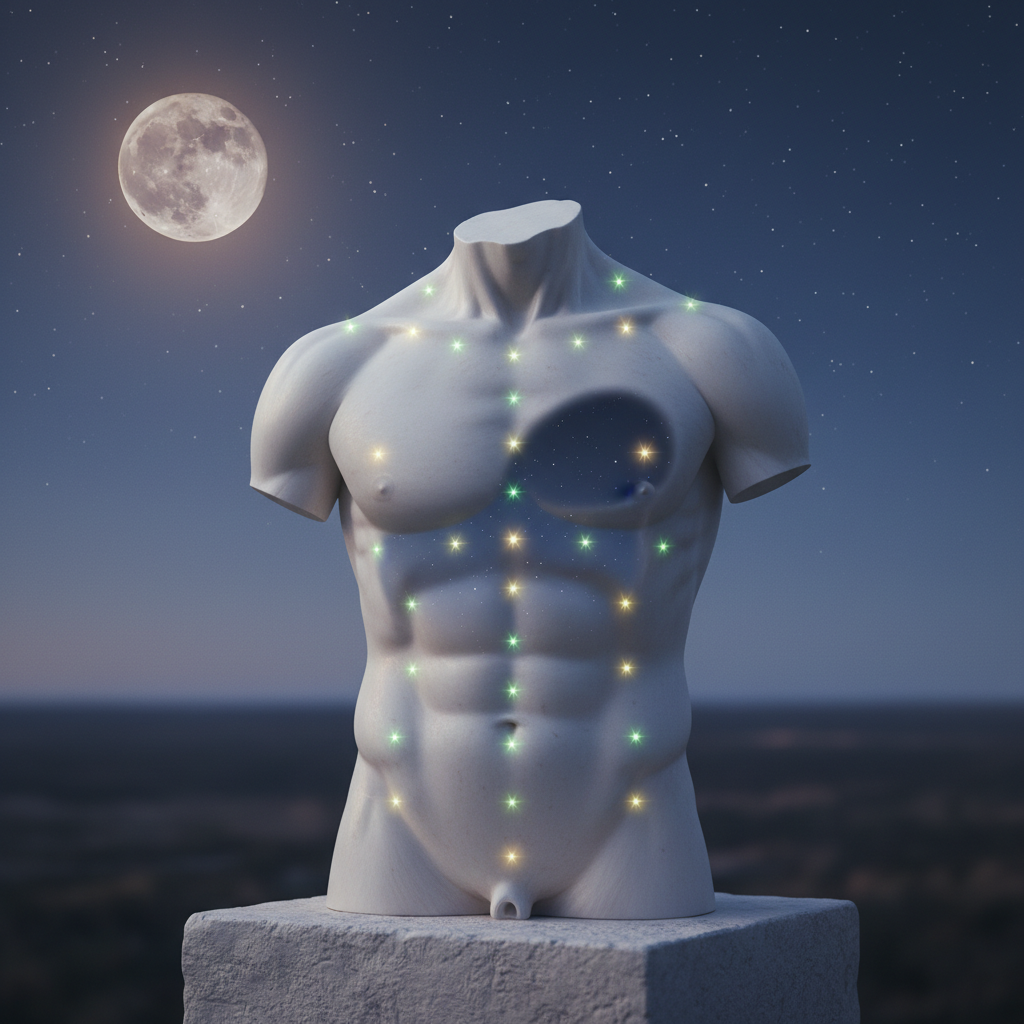
Chapman reflex points are specific locations on the body discovered by Dr. Frank Chapman in the 1930s. These neurolymphatic reflexes connect surface tenderness to internal organ function through the nervous and lymphatic systems. When an organ is under stress, its corresponding Chapman point may become tender to touch — giving osteopaths, kinesitherapists, and manual therapists a quick, non-invasive screening tool that has now been used clinically for almost a century.
This complete guide walks you through what Chapman points are, how they work, and presents a full chart of all 46 reflex points organised by body region. If you prefer to jump straight to the interactive tool, our free explorer lets you study every point with annotated anatomical images.
As above, so below.
Hermes Trismegistus, The Emerald Tablet
How Chapman Points Work
Each Chapman point has two components:
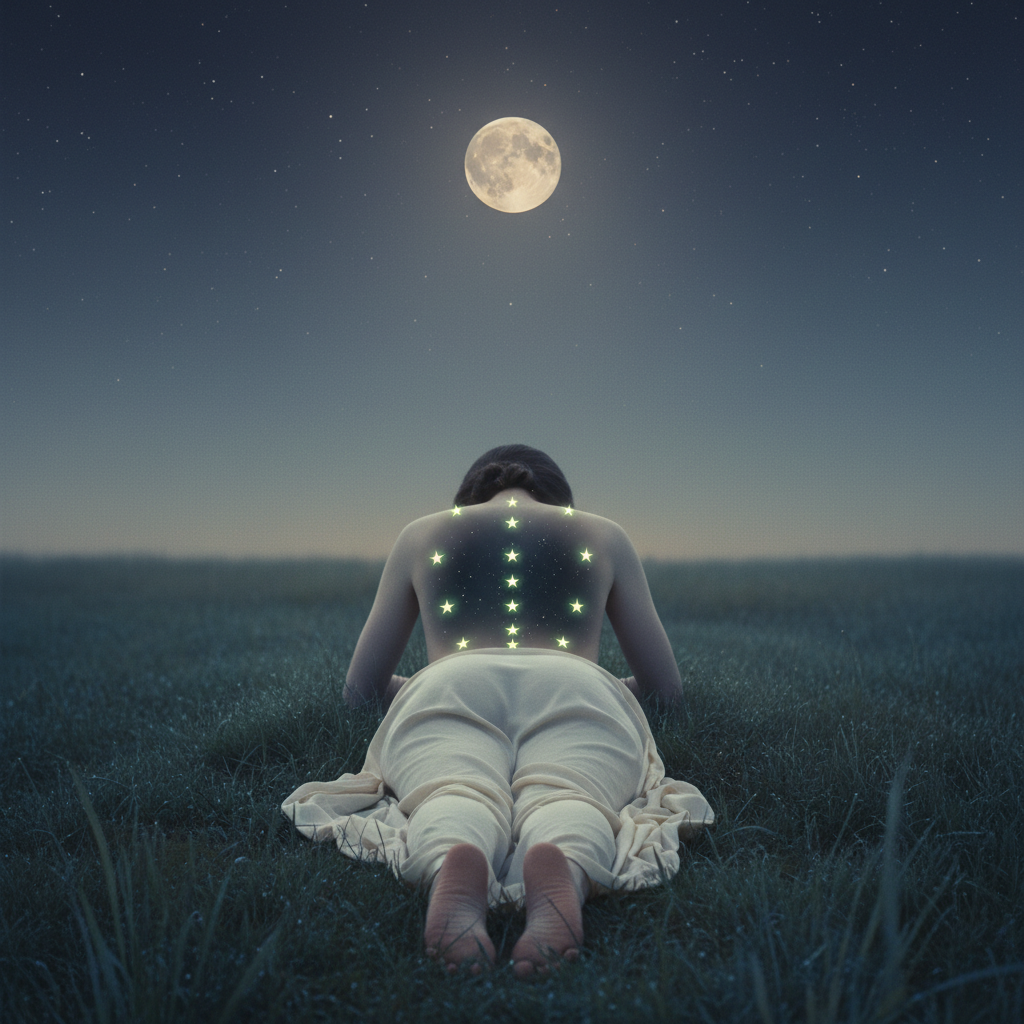
- An anterior (front) diagnostic point — used for assessment. If it is tender, it suggests the related organ may be under functional stress.
- A posterior (back) treatment point — used for treatment, applying gentle circular pressure for 20–30 seconds.
Chapman documented 46 core reflexes covering every major organ system — from the sinuses and thyroid in the upper body, through the heart, lungs, and digestive organs, down to the pelvic organs. Each reflex is mapped to a specific intercostal space or bony landmark, making them reproducible and clinically useful. While a tender Chapman point does not diagnose disease, it offers valuable clinical information about organ function and can guide further investigation.
Chart of the 46 Reflex Points by Region
Head, Neck and Shoulders (Occiput & Upper Ribs)
This region includes reflexes for the sinuses, eyes, ears, pharynx, nasal passages, and tonsils. Anterior points are located around the first and second ribs near the sternum. These reflexes relate to common conditions such as sinusitis, otitis, and pharyngitis.
Upper Thoracic (Chest and Upper Back)
The upper thoracic region covers the thyroid, bronchi, oesophagus, myocardium, upper lung, and neuritis of the upper limb. Many of these reflexes share the second and third intercostal spaces — meaning one tender spot can relate to several possible conditions and requires context to interpret.
Middle Thoracic (Mid-Chest and Stomach)
Reflexes here include the liver, gallbladder, spleen, stomach, pancreas, and adrenal glands. The anterior points span the fifth through eighth intercostal spaces and are particularly useful when screening for digestive or metabolic complaints.
Lower Thoracic and Pelvic Regions
The lower regions cover the kidneys, intestines, appendix, bladder, uterus/prostate, and lower limb conditions. These points are located from the ninth intercostal space down to the pelvis and thighs, and are frequently involved in urinary, reproductive, and lower-extremity presentations.
Clinical Applications
Today, Chapman points are used by osteopaths, kinesitherapists, and manual therapists worldwide as part of a comprehensive assessment. They provide a quick, non-invasive screening tool that complements — but does not replace — conventional examination. A tender point is one data point among many: context, history, and clinical judgement always come first.
Explore All 46 Points Interactively
Our free interactive tool lets you explore every Chapman reflex point with annotated images, searchable by region, organ system, or spinal level. Clinicians can study each reflex and test their knowledge; patients can perform a guided self-assessment in minutes.
Open the free Chapman reflex explorer
Start Free Assessment →