

Chapman reflex points offer a fascinating window into your body’s internal state — and a simple self-care technique you can practice at home. This guide walks you through the whole process: how to self-assess, what your findings might mean, and how to safely self-treat the points you discover.
Before You Begin
Self-palpation is safe for most people, but avoid it if you are pregnant (especially abdominal and pelvic points), have open wounds or acute inflammation in the area, or have been advised against manual therapy by a doctor. If you are under care for a specific condition, check with your practitioner before starting.
Know thyself.
Inscribed at the Temple of Apollo, Delphi
How to Palpate
Use your fingertips with light pressure, in a small circular motion on the area described for each reflex. You are looking for tenderness — a spot that feels distinctly more sensitive or painful compared to surrounding tissue. A tender point suggests the related organ may be under stress, though it is not a diagnosis.
Move methodically through the regions — head and neck, upper thoracic, mid-thoracic, lower thoracic and pelvic — and note which points are tender. You do not need to memorise every location; the interactive tool below walks you through each one in sequence.
What Your Results Mean
Finding tender points is common and does not mean something is wrong. Many factors — posture, stress, recent illness, diet — can influence tenderness. Your results are one data point among many. If points remain persistently tender, or if you have symptoms that worry you, consult a qualified healthcare professional.
Self-Treatment Technique
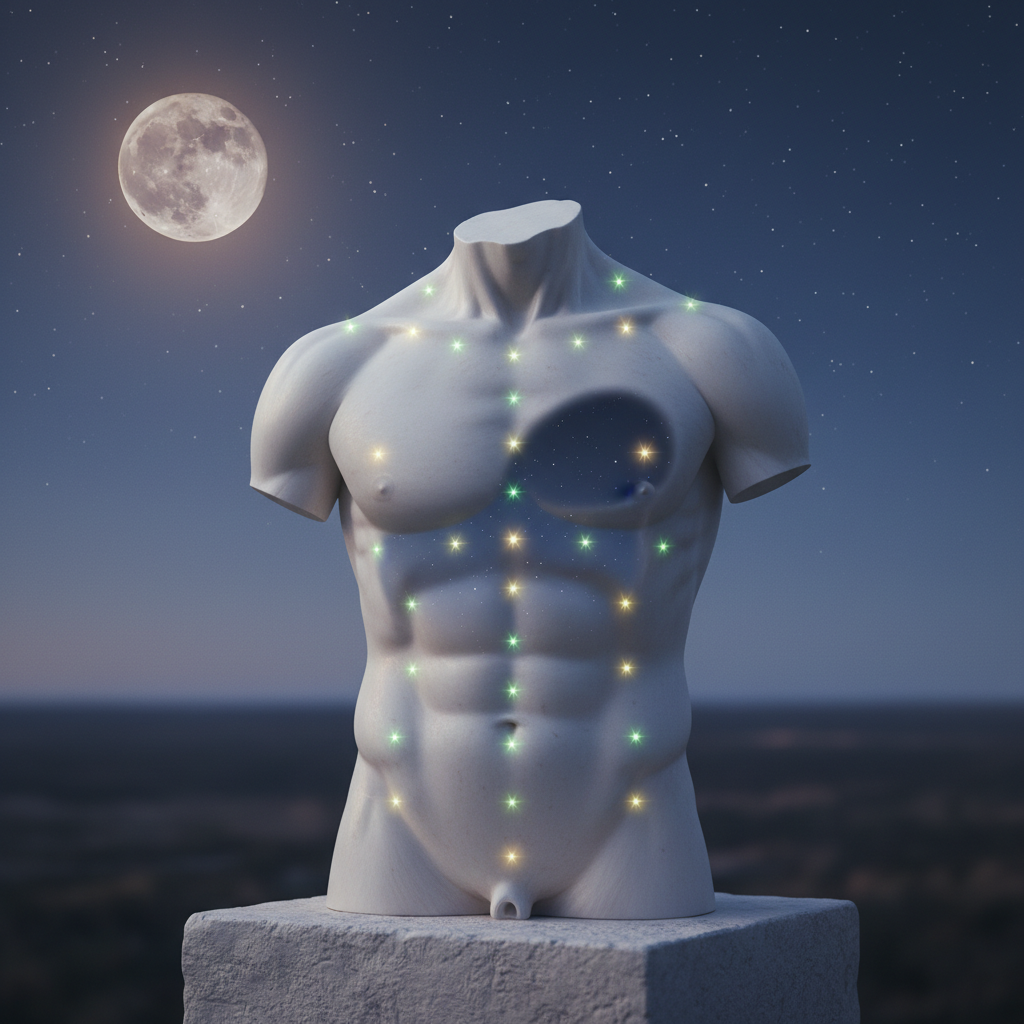
For each tender anterior point, there is a corresponding posterior treatment point on your back. Locate the posterior point as described for each reflex, then apply light circular pressure with one or two fingertips for 20–30 seconds. The pressure should be firm enough to feel but not painful. For back points you cannot reach, ask a partner or use a tennis ball against a wall.
How Often to Treat
Treat each tender point once or twice daily for 5–7 days, then reassess. Many practitioners report that tenderness diminishes within a few days of consistent treatment. If a point remains tender after two weeks, consult a professional.
Safety Guidelines
- Stop if you experience sharp pain.
- Avoid treating areas with open wounds, bruising, or acute inflammation.
- Do not self-treat abdominal or pelvic points during pregnancy.
- This technique complements but does not replace professional care.
Find Your Treatment Points
Our self-assessment tool identifies your tender points and shows you exactly where each posterior treatment point is located, with annotated images and step-by-step instructions — free, in your browser, no account required.
Start your free Chapman self-assessment
Start Free Assessment →